-

备注:已完结
类型:电影
主演:维尔日妮·埃菲拉 奥玛·希 格莱高利·嘉德波瓦 佩曼·莫阿迪 艾莉莎·
导演:安妮·芳婷
语言:法语
年代:未知
简介:安妮·芳婷将执导影片[警察](Police,暂译),卡司包括维尔日妮·埃菲拉([20岁的差距])、奥玛·希([触不可及])、格莱高利·嘉德波瓦([你拯救了我的灵魂])、佩曼·莫阿迪([一次别离])。芳婷与克莱尔·巴雷(Claire Barré)操刀剧本。 影片故事改编自雨果·鲍里斯小说,讲述三名警察被迫接受一项不同寻常的任务:将一名陌生人遣返原国。在开车前往飞机场的路上,其中一名警察意识到,如果让他回到自己的国家,他将会遭到死亡的威胁。于是这名警官劝说其他两名同事放他走。
-

备注:已完结
类型:电影
主演:田中绢代 Tsukie Matsuura 三船敏郎 近卫敏明
导演:沟口健二
语言:日语
年代:未知
简介:夜幕下,年过五旬的妓女阿春(田中绢代饰)在街头游荡,走进一个寺庙后,她回想起自己坎坷悲惨的前半生。\r年轻时的阿春是一个贵族家里的女佣。她与下等武士胜之介相恋,二人偷情时被发现。阿春连同她父母被驱逐出城,胜之介则被处死。松平大领主为了继承香火,派人四处选妾。貌美的阿春被选中,做了松平领主的妾侍。很快,她产下一子。松平家族欢天喜地,阿春以为自己就此安定下来。可是原配十分嫉妒阿春,于是松平家族以阿春迷惑领主为由,将她遣返回家。为了偿还债务,阿春的父亲把她卖去妓院。一个出手阔绰的客人看中了阿春,要为她赎身。然而此人是个专门造假币的骗子,随即就被抓走,阿春也被妓院赶走。其后阿春经历了种种波折,她最终走投无路,只好沦落街头。贫病交加之际,她得知自己的儿子当上了领主……
-

备注:已完结
类型:电影
主演:利奥尔·阿什肯纳齐 阿尔玛·扎克 Shlomo Bar Aba Ali
导演:约瑟夫·斯达
语言:希伯来语
年代:未知
简介:影片讲述了一对处在敌对关系之中的父子的故事。父子二人都在耶路撒冷的希伯来大学工作,他们都是犹太法典的专家,而且都是颇有个性和怪癖的怪人。由于在对待荣誉和学术问题上,父子二人分歧过大,所以这两个学者之间产生了早已超越父子关系的抵牾。儿子是一个喜欢追名逐利的当代学者,而他的父亲却是一个非常严肃、非常守旧的古典派的学者。在父亲威严的外表下,他其实也是一个渴望得到认知和认同的人。父子俩的矛盾一直没有公开化和扩大化。但是,当以色列国家奖要颁发的时候——这是以色列国内奖励学者的最高奖项——父子俩的矛盾终于爆发了出来,这是一出令人苦恼而且没有结果的对抗。
-

备注:已完结
类型:电影
主演:Pavle Cemerikic Sumeja Dardagan 贾斯敏
导演:伊戈尔·德尔利亚恰
语言:波斯尼亚语,英语
年代:未知
简介:青少年法鲁克和朋友靠帮黑手党做事为生,直到他遇到中产阶级女孩莫娜,一段青春期的浪漫爱情由此萌发。影片徘徊在惊悚片和童话故事之间,灰暗现实与迷人梦境互相交织,极富油画质感的布光、舒缓的钢琴旋律衬托出年轻人的迷惘与哀愁。波黑导演伊戈尔·德尔利亚凭借一个浪漫爱情故事之壳,展现战后萨拉热窝的社会氛围,以及不同阶层的生活状况。本片入围2021年柏林电影节新生代青年竞赛单元。
-

备注:已完结
类型:电影
主演:法布里齐奥·隆吉奥内 娜塔莎·雷尼埃 Baptiste Lalieu
导演:塞缪尔·蒂尔曼
语言:法语
年代:未知
简介:戴维本是个有着幸福生活的年轻父亲:一个他深爱的妻子,两个可爱的孩子,还有一群经常相伴出游的死党。然而,在一次与家人和朋友的度假之后,一切都变了......在度假期间,发生了一起谋杀案,而戴维据被警方列为高度怀疑对象。然而,随着调查的深入,戴维的秘密被一个一个的揭穿......并不明朗的案情,朋友们的疏离,同事们都把他当杀人犯小心提防,就连相爱多年的妻子也对他心存戒备,保持距离,曾经美好的家庭面临破碎的危险。尽管戴维坚称自己是无辜的,但整个事件已经对他的人生产生了不可挽回的影响,在愧疚自责和抑郁不平中,戴维将面对已经变化的亲友关系,怎样重启新的生活......
-
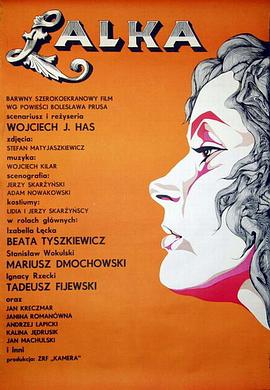
备注:已完结
类型:电影
主演:马里乌什·德莫霍夫斯基 贝娅塔·蒂希基维茨 菲耶夫斯基·塔德乌什 Ja
导演:沃伊切赫·哈斯
语言:其它
年代:未知
简介:The Doll is an adaptation of the novel, The Doll (novel) by Bolesław Prus, which is regarded by many as one of the finest Polish novels ever written and, along with Pharaoh (novel), made Bolesław Prus a potential candidate for the Nobel Prize in literature. The influence of Émile Zola is evident, and some have compared the novel to Madame Bovary by Gustave Flaubert; both were Prus's contemporaries. The movie, however, may be more compared to Stendhal's Le Rouge et le Noir, (The Red and the Black). The Doll constitutes a panorama of life in Warsaw between 1878 and 1879, and at the same time is a subtle story of three generations of Polish idealists, their psychological complications, their involvement in the history of the nineteenth century, social dramas, moral problems and the experience of tragic existence. At the same time this story describes the disintegration of social relationships and the growing separation of a society whose aristocratic elite spreads the models of vanity and idleness. In the bad air of a backward country, anti-Semitic ideas are born, valuable individuals meet obstacles on their way, and scoundrels are successful. This poetic love story follows a nouveau riche merchant, Stanislaw Wokulski, through a series of trials and tribulations occasioned by his obsessive passion for an aristocratic beauty, Izabela Lecka, played by the famous Polish actress, Beata Tyszkiewicz. Plot As a descendant of an impoverished Polish noble family, young Wokulski is forced to work as a waiter at Hopfer's, a Warsaw restaurant, while dreaming of a life in science. After taking part in the failed 1863 Uprising against Tsarist Russia, he is sentenced to exile in Siberia. On eventual return to Warsaw, he becomes a salesman at Mincel's haberdashery. Marrying the late owner's widow (who eventually dies), he comes into money and uses it to set up a partnership with a Russian merchant he had met while in exile. The two merchants go to Bulgaria during the Russo-Turkish War of 1877-78, and Wokulski makes a fortune supplying the Russian Army. The enterprising Wokulski now proves a romantic at heart, falling in love with Izabela, daughter of the vacuous, bankrupt aristocrat, Tomasz Łęcki. In his quest to win Izabela, Wokulski begins frequenting theatres and aristocratic salons; and to help her financially distressed father, founds a company and sets the aristocrats up as shareholders in his business.The indolence of these aristocrats, who secure with their pensions, are too lazy to undertake new business risks, frustrates Wokulski. His ability to make money is respected but his lack of family and social rank is condescended to. Because of his help (in secret) to Izabela's impecunious but influential father, the girl becomes aware of his affection. In the end she consents to accept him, but without true devotion or love.(wikipedia)