备注:已完结
类型:电影
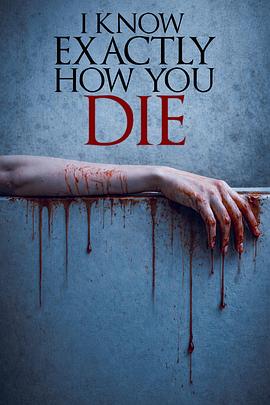
主演:Kelly·Daly Jonathan·Faircloth·Kirk
导演:Kyle·Tague
语言:英语
年代:未知
简介:一对以经营YouTube为生的夫妻,婚姻在事业压力下渐渐濒临崩溃。搬进新家后,他们意外发现,前屋主不仅是个拍下自己杀人过程的连环杀手,还坚信那些受害者的鬼魂在屋里徘徊。面对这桩骇人听闻的秘密,他们陷入两难:到底该不该借此机会为频道博取流量,还是守住这段摇摇欲坠的婚姻?
备注:已完结
类型:电影
主演:Maryam·Bobani Nader·Naderpour Hana·
导演:纳迪尔·赛义瓦尔
语言:波斯语
年代:未知
简介:他们禁止她摘下头巾,避免引诱男人犯罪;他们阻拦她展露舞姿,害怕其他男人沉醉;他们命令她放弃追查,因为他们说你老、你疯,你什么也没看见。退休舞蹈教师塔兰意外目击陈尸现场,亲如女儿的左拉疑遭丈夫杀害,塔兰...
备注:已完结
类型:电影
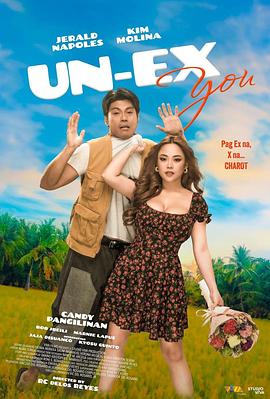
主演:Steffi Zamora 恩迪·阿菲安 Daffa Wardhana
语言:英语
年代:未知
简介: 一张丑闻照片让一位陷入困境的网红生活陷入了混乱。她被迫在自己备受争议的职业生涯与一段充满挑战、通往救赎的灵性之旅间做出抉择。而在这一过程中,她竟意外邂逅了属于自己的真爱。
备注:已完结
类型:动漫
主演:Bob Peterson
导演:简·皮克瓦
语言:英语
年代:未知
简介:清晨的公园里,老人格里慢慢的铺开棋盘,把棋子一个一个的放上去,“对弈”就这样开始了。 两个老人一个狡猾奸诈,一个憨厚老实。一盘棋局,铁马金刀,煞是热闹。然而憨厚的老人很快陷入了僵局,仅剩一子,老实的他竟急至心脏病发。狡猾的老人也不由的担心起来。谁知这才是胜负的真正开端,原来狡猾也有失误,老实也会耍滑。 老人格里的对弈中,哪个才是真正的赢家?
备注:已完结
类型:电影
主演:沙鲁克·汗 维奈·帕塔克 安努舒卡·莎玛 M.K. Raina 拉妮·
导演:阿迪提亚·乔普拉
语言:印地语
年代:未知
简介:性格木讷且沉闷的山瑞德(沙鲁克?可汗 Shahrukh Khan 饰)在电力公司工作,每天过着循规蹈矩的生活,他某日去参加老师女儿的婚礼时对新娘塔阿(安努舒卡?莎玛 Anushka Sharma 饰)一见钟情。塔阿的男友在路上死于车祸,令她陷入了巨大的悲伤之中,她的父亲接受不了犯了心脏病,弥留之际将塔阿托付给了山瑞德。他看着自己心爱的人却毫无办法将她从痛苦的深渊中拯救出来。不久山瑞德发现塔阿参加了舞蹈班,为了接近她他换了一身装扮出现在她面前,并自称拉贾,却意外地得到了和她一起参加舞蹈大赛的机会。就这样山瑞德每天扮演两个角色出现在塔阿的生活中。风趣幽默又帅气逼人的拉贾渐渐地让塔阿走出了悲痛。最后塔阿决定和拉贾在一起,山瑞德陷入了苦恼,他希望塔阿爱上真正的他,而不只是扮演的拉贾......
备注:已完结
类型:电影
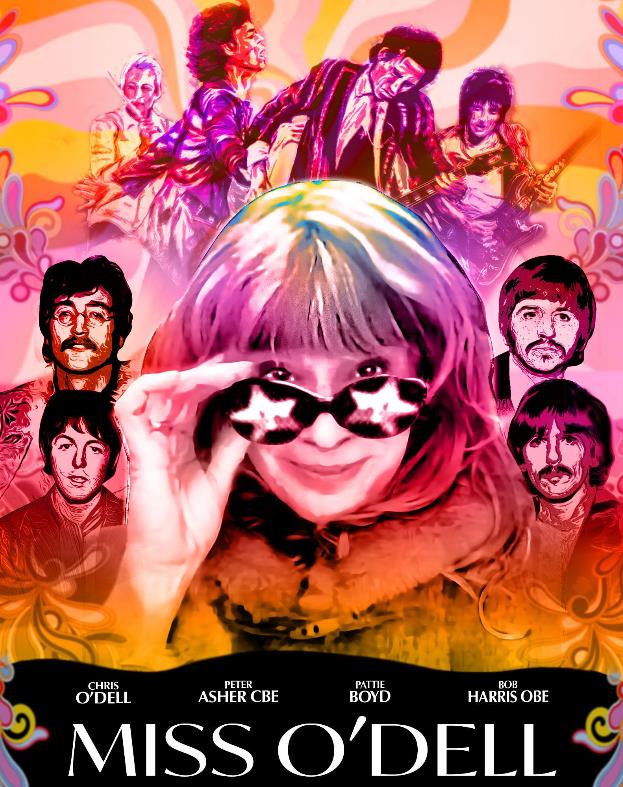
主演:BobDylan JoanBaez JudyCollins
导演:MurrayLerner
语言:英语
年代:未知
简介:"Bob Dylan going electric" at the 1965 Newport Folk Festival is one of those epochal moments in rock history that seemingly everyone has heard about, but what few people seem to know is that it wasn't some ephemeral event that we only know from word of mouth -- filmmaker Murray Lerner documented the performances at the Newport Festival for several years running, and The Other Side of the Mirror collects footage from the three years Dylan appeared at the celebrated folk gathering, allowing us to see Dylan's rise through the folk scene for ourselves. Watching Lerner's documentary, what's most remarkable is how much Dylan changed over the course of 36 months; the young folkie performing at the afternoon "workshop" at the side of Joan Baez in 1963 is at once nervy and hesitant, singing his wordy tunes while chopping away at his acoustic guitar and energizing the crowd without seeming to know just what he's doing. In 1964, Dylan all but owns Newport, and he clearly knows it; he's the talk of the Festival, with Baez and Johnny Cash singing his praises (and his songs), and his command of the stage is visibly stronger and more confident while his new material (including "Mr. Tambourine Man" and "It Ain't Me, Babe") sees him moving away from the "protest songs" that first made his name. When the audience demands an encore after Dylan's evening set (Odetta and Dave Van Ronk were scheduled to follow him), Peter Yarrow tries to keep the show moving along while Dylan beams at the crowd's adulation, like the rock star he was quickly becoming. By the time the 1965 Newport Festival rolled around, Dylan's epochal "Like a Rolling Stone" was starting to scale the singles charts, and the hardcore folk audience was clearly of two minds about his popular (and populist) success. When Dylan, Fender Stratocaster in hand, performs "Maggie's Farm" backed by Al Kooper, Mike Bloomfield and the rhythm section from the Paul Butterfield Blues Band, the raucous but hard-driving number inspires a curious mixture of enthusiastic cheering and equally emphatic booing, and while legend has it that the version of "Like a Rolling Stone" that followed was a shambles, the song cooks despite drummer Sam Lay's difficulty in finding the groove, though if anything the division of the crowd's loyalties is even stronger afterward. After these two numbers, Dylan and his band leave the stage, with Yarrow (once again serving as MC) citing technical problems (if Pete Seeger really pulled the power on Dylan, as legend has it, there's no sign of it here); Dylan returns to the stage with an acoustic six-string to sing "Mr. Tambourine Man" and "It's All Over Now, Baby Blue" before vanishing into the night without comment. While much of the audience at Newport in 1965 wanted the "old" Dylan back, his strong, willful performances even on the acoustic stuff makes it obvious that the scrappy semi-amateur we saw at the beginning of the movie was gone forever, and the ovations suggest more than a few people wanted to see Dylan rock. Lerner's film tells us a certain amount of what we already knows, but it gently debunks a few myths about Dylan during this pivotal moment in his career, and his performances are committed and forceful throughout; no matter how many times you've read about Dylan's Newport shoot-out of 1965, seeing it is a revelatory experience, and Lerner has assembled this archival material with intelligence and taste. This is must-see viewing for anyone interested in Dylan or the folk scene of the '60s.